

Escape Doomscrolling
Money Slop and Being Alive

I’m back in my hotel room in Zurich after spending the entire day trying to escape not just doomscrolling for once, but art world doomscrolling too. That’s what it can feel like, anyway, when you’re spending your days at commercial art events. Maybe that’s just me. When I met up with a friend for a lemonade today, I think he may have coined the term money slop on the spot to describe art that is made to be sold for a lot of money.
Meanwhile, Avery Singer has turned Hauser & Wirth’s exhibition space into a casino. Minus the slot machines, of course. Instead, her paintings hang on the walls. In her exhibition War_overlays, she compares the artist to a poker player. “I was thinking about the somewhat cynical idea that the emerging artist is basically playing in a casino. There is all this activity around them, all this noise, and they are constantly trying to mitigate risk while being on display at the same time,” Avery Singer told me. Artists are also ranked like poker players and reduced to measurable metrics, such as the value of their work, she said.
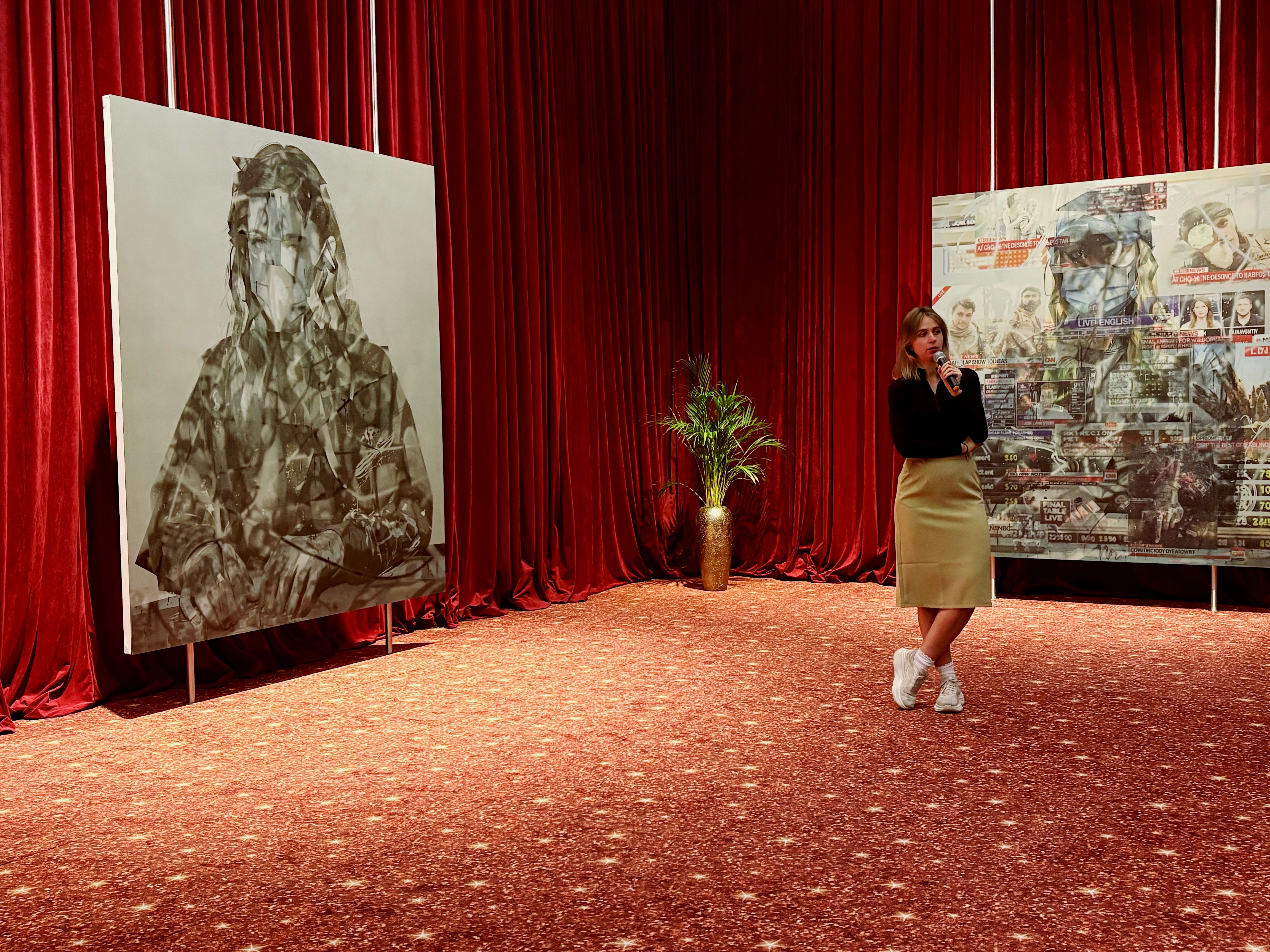
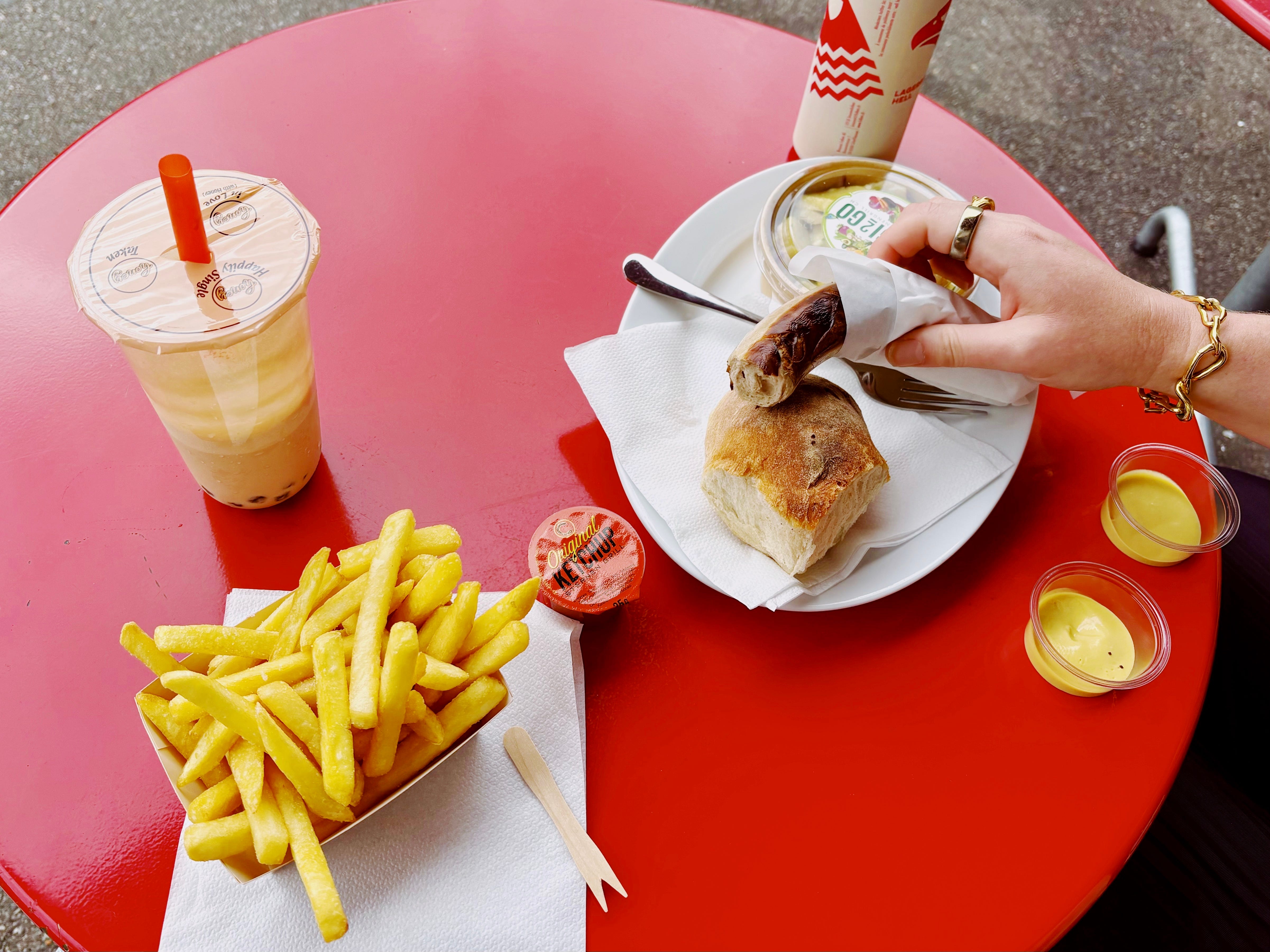
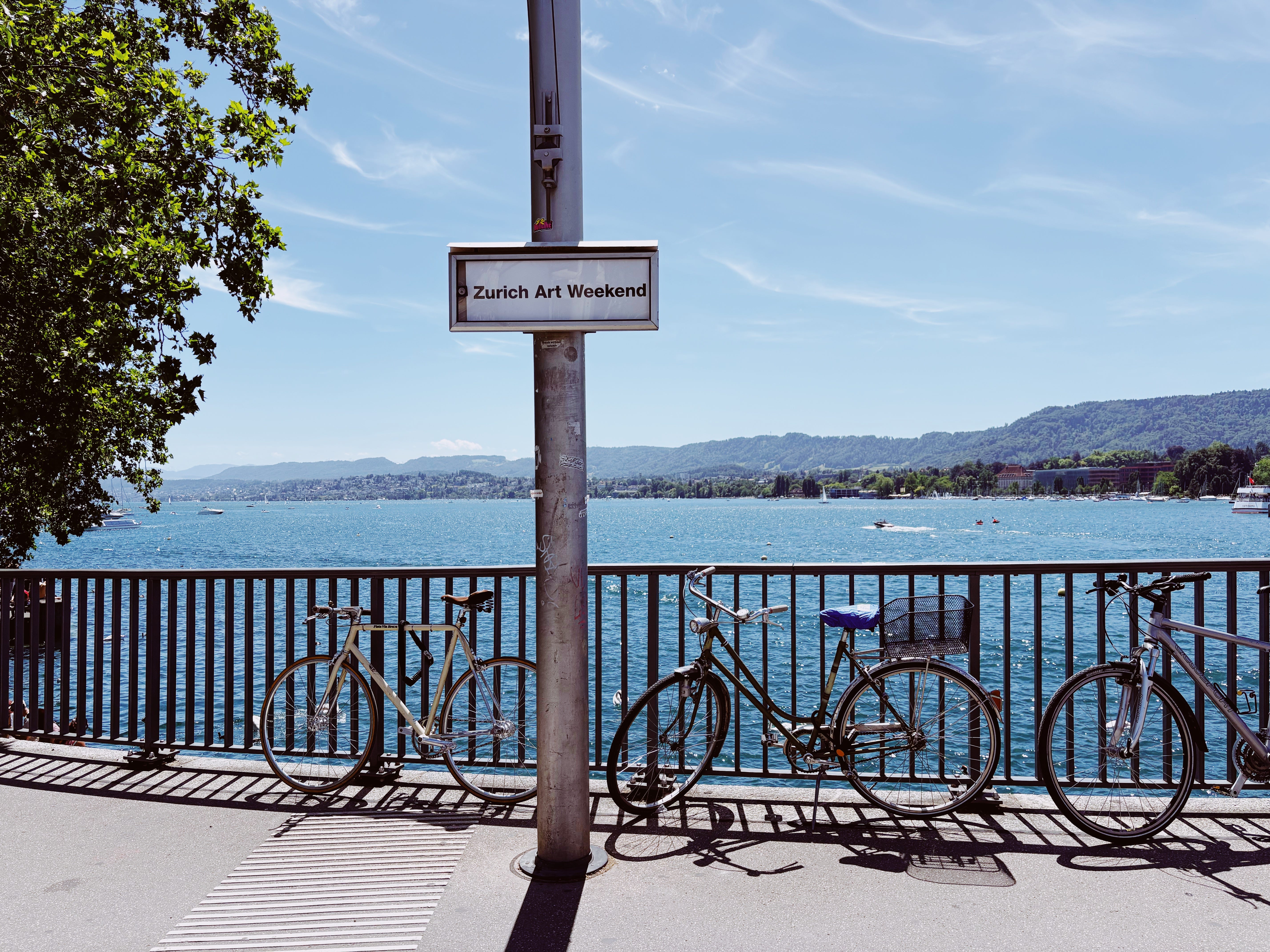
I was at Hauser & Wirth yesterday, by the way, not today. Yesterday, I spent the entire day following Jeni Fulton around. It felt like we saw every exhibition at Zurich Art Weekend and occasionally stopped to eat something unhealthy as quickly as possible. My secret favourite, after the obvious favourite, Singer at Hauser & Wirth, is Karen Kilimnik at Presenhuber. Her collages and paintings look as if someone had thrown Tumblr and sticker albums at historical landscape paintings and then sprinkled glitter all over them.
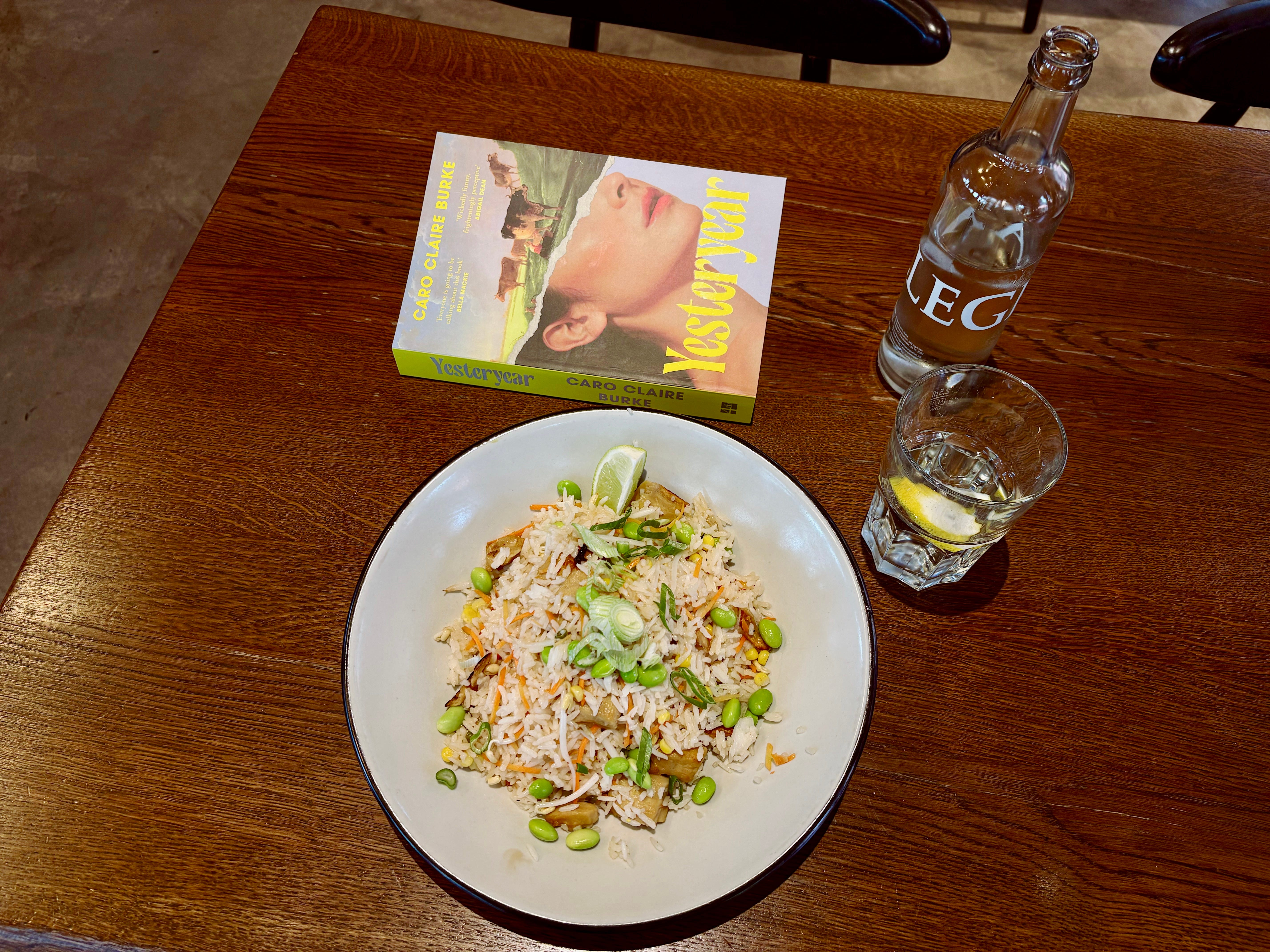
I spent today the way I spend most Saturdays: bookstore, walk, exhibition. While I was in the bookstore, I finally gave in to the hype and bought Yesteryear by Caro Claire Burke. The novel about a trad wife who wakes up inside a nightmare. I gave in completely and took it straight to the checkout after reading these lines while flipping through it:
“A flawless Christian woman. The manic pixie American dream girl of this nation’s deepest, darkest fantasies. The mother every woman wanted to be, and the wife every man wanted to come home to. Like a nun in a porno, it didn’t make sense, but also, by God: it worked.
My name is Natalie Heller Mills, and I was perfect at being alive.”
At the time, I didn’t yet know how perfectly that passage would fit the exhibition I had saved for today. And that line alone — “I was perfect at being alive” — made me want to read the book myself instead of just reading reviews in the media and hot takes from Instagram intellectuals. I’m also currently reading, very slowly, the four volumes of Solvej Balle’s On the Calculation of Volume that have so far been translated into English (out of seven). Very briefly: a woman keeps reliving the same day — or rather, the same date — although she is free to spend each day however she wants. Following her as she goes about her life, you find yourself constantly forced to think about the decisions you make every day and the way you live your own life.
With the book Yesteryear under my arm, I walked down to the lake and read with my feet in the water until they had turned red from the cold. Then, with the book still under my arm, I walked back to the Löwenbräukunst site to see Words, an exhibition by Edition VFO featuring, among others, Nora Turato. As luck would have it, I accidentally walked straight into a private event hosted by Monopol, where editor-in-chief Elke Buhr was in conversation with Nora Turato. The artist recently released a small series of editions with Monopol that the conversation revolved around. Each one features an emoji-like heart containing a few words:
i could live
i could be
i could love
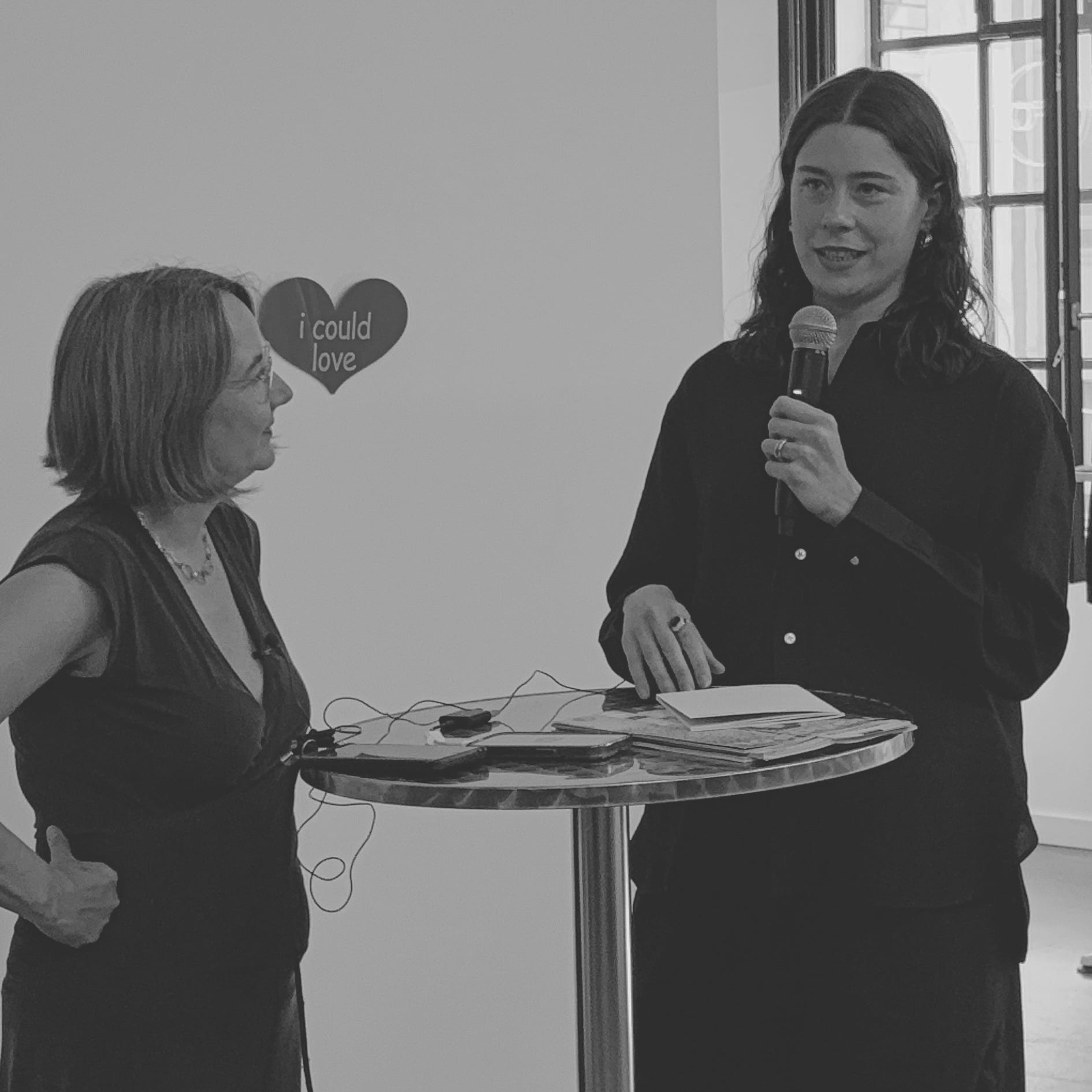
The conversation touched on language as a cognitive virus, the artist’s doubts about whether some things might ultimately be nothing more than “pure commercial crap” or an “irrelevant mess,” and the fact that performances can be life-threatening. Art can be, too, but performance art can bring life to an end a little faster. Asked what the role of the artist in society is, Turato replied, a “digestion system” dependent on feedback.
After the talk, I went straight back to the hotel, where I’m sitting now, writing this text. ChatGPT, meanwhile, has been complaining the entire time while translating this from German into English that I seem to have drifted away from the topic I introduced at the beginning: escape doomscrolling. And I keep telling it: chill. We’re getting there. So, why escape doomscrolling?
For that, I need to briefly go back to the middle of the week. I was in Frankfurt at the Schirn to see The World Through AI, an exhibition that was first shown at the Jeu de Paume in Paris before traveling to Frankfurt. To mark the opening, the museum organised a symposium titled AI Politics: Slop and Slopaganda.
Seeing the exhibition felt like reading a book about AI, while the symposium felt like attending a political science seminar. At least until Hito Steyerl gave the closing lecture of the evening. Don’t get me wrong, it’s important to analyse the communication strategies of Trump and his allies and to talk about them, especially when it’s done as eloquently and sharply as Wolfgang Ullrich did. He has also written a book on the subject (Memocracy, Wagenbach), which I’ve mentioned several times on this Substack already. But listening to academics analyse fascist memes and play Slopaganda videos for hours on end ... that was a very long doomscrolling session. The entire time, I found myself wondering how many academics spend a considerable part of their lives doomscrolling through exactly this kind of slop.
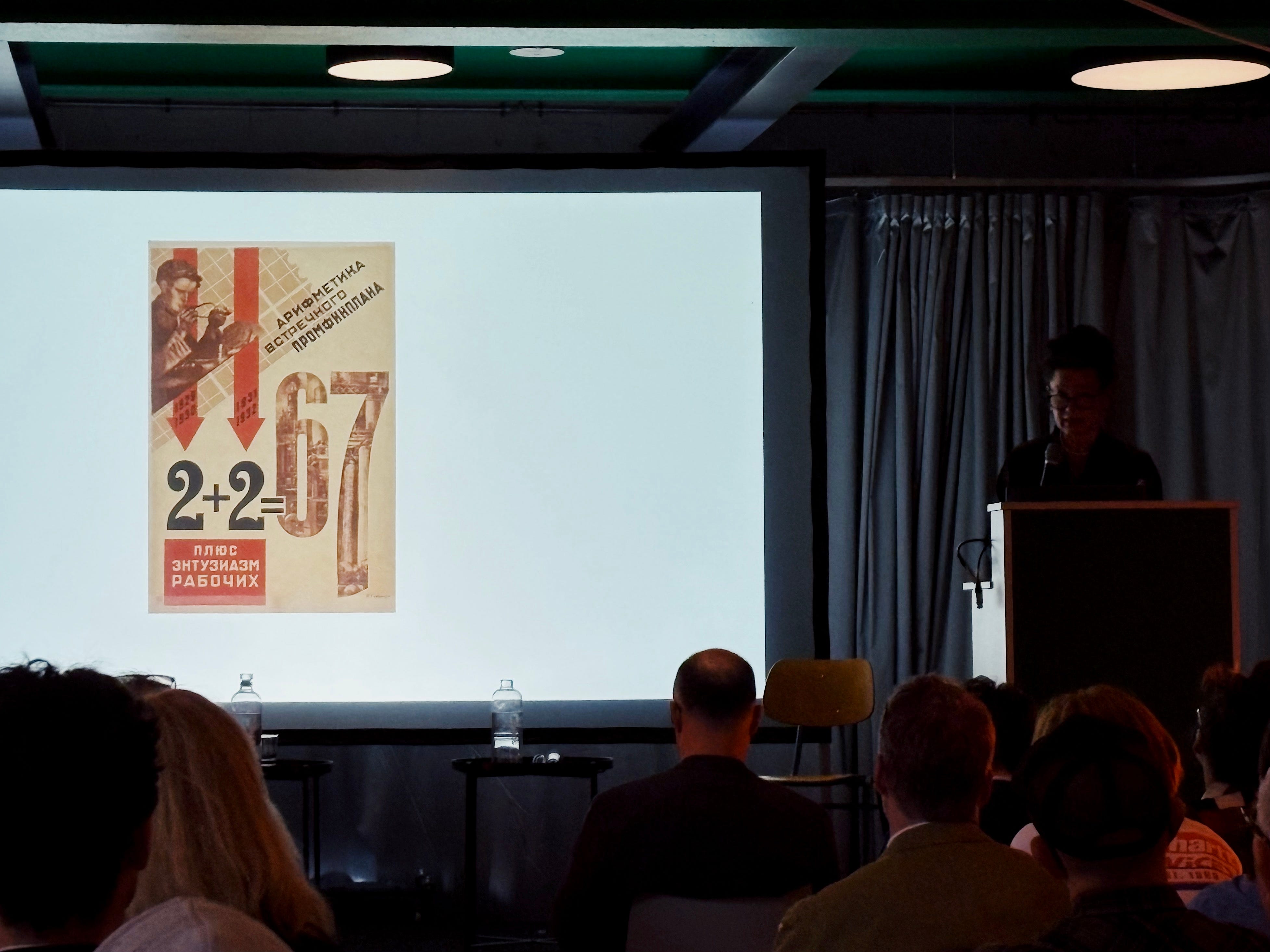
Steyerl then opened up the conversation beyond slop and spoke about the AI model she is currently working on: Lossy. She’s interested in the question: What is the aesthetics of a model? By analogy, she compared it to asking: What image would a camera make? After all, machine learning is treated like a camera, while much of the focus today is on hyperrealistic images, she said. Her talk was therefore about the production of images with AI and the artistic strategies that can be used to approach AI critically.
When AI is discussed, artistic works are often used to explain AI, as was also the case in this exhibition. As I said, I’d rather read a book, but that may be a me problem. Either way, the impression remains that for quite some time now, AI has mainly been discussed either in terms of slop or slopaganda, meaning fascist communication strategies.
Under the title Escape Doomscrolling, I recently curated an exhibition for CIFRA, a platform for digital art and video art. Among the artists are Kevin Abosch, UBERMORGEN, OONA, Vuk Ćosić, Jonas Lund, Mario Klingemann, and several others. More on that soon elsewhere. For now, the exhibition can be viewed online here.
And I’m already almost on my way to Basel for Art Basel and beyond.
What else there is to read from me this week:
– My interview with 0xDEAFBEEF was published in SLEEK.
– The latest issues of SLEEK, Numéro Berlin, and Fräulein were published, but haven’t arrived yet. You'll find several of my texts in each of them.
– Anyone looking forward to digital art at Art Basel can prepare by reading my interview series for SLEEK: UBERMORGEN (What’s the Difference Between a Conceptual Hack and Rage Bait?), Vuk Ćosić (The Internet After Failed Utopias), 0xDEAFBEEF (There Isn’t a Single Canon) and Kevin McCoy (What Happened to NFTs, Kevin McCoy?).
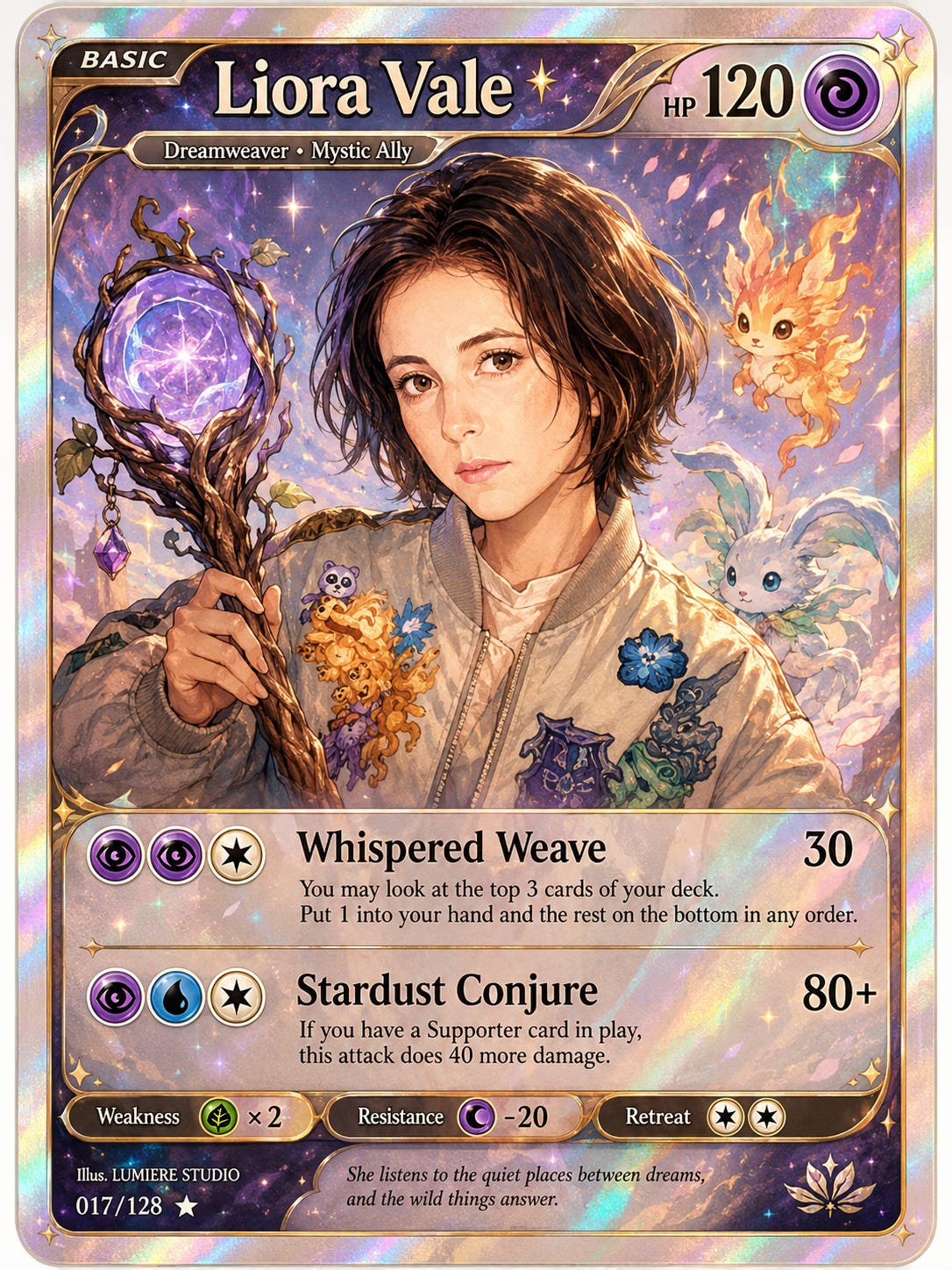
Oh, and one more thing about the header image: physical trading cards are, of course, another way to escape doomscrolling. My good friend Kevin Abosch generated this digital trading card based on a photo of me. I’m wearing my OOR Studio gang jacket.
Maybe I'll see you in Basel next week.
Thank you for your time.
Take care,
Anika